Introduction
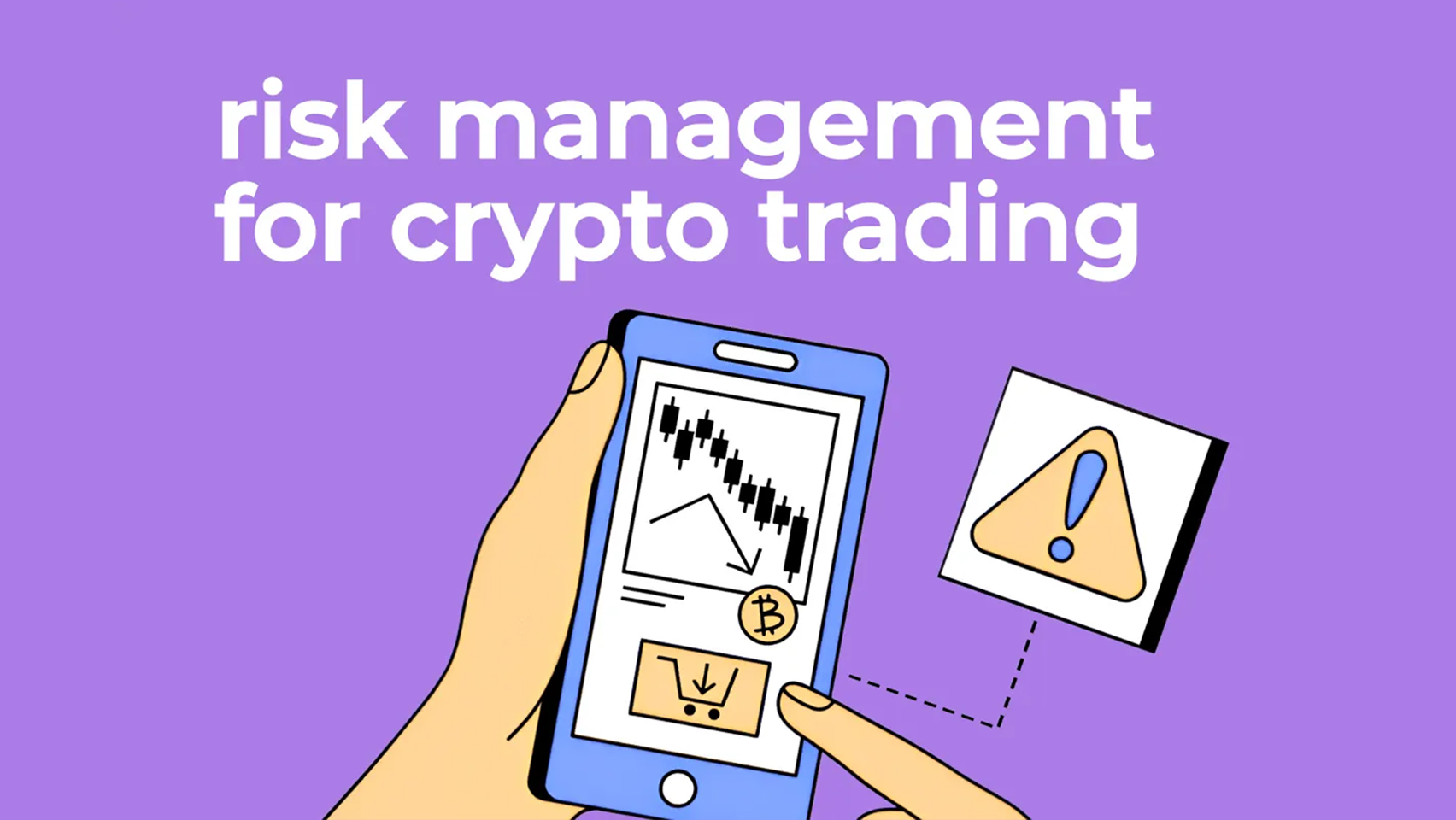
Tether USDT, as the most widely used stablecoin, offers investors stability and liquidity in the cryptocurrency ecosystem. Its 1:1 peg to the U.S. dollar and widespread adoption make it a popular choice for both retail and institutional participants. However, like any financial asset, USDT carries certain risks, including market, operational, and regulatory risks. Understanding these risks and implementing effective strategies is essential for investors who rely on USDT for trading, cross-border transactions, or portfolio management.
Evaluating Reserve Transparency and Credibility
A core aspect of risk management is assessing Tether’s reserve transparency. USDT is backed by a diversified portfolio of cash, short-term debt instruments, corporate bonds, and other assets, ensuring liquidity and stability. Investors should regularly review Tether’s quarterly transparency reports to verify reserve allocations and backing adequacy. Independent attestations provide additional assurance of USDT’s solvency. By staying informed about reserve composition and audit practices, investors can make decisions based on confidence in the stablecoin’s underlying assets.
Diversification Across Stablecoins
Relying solely on USDT exposes investors to risks associated with a single stablecoin issuer. Diversifying holdings across multiple reputable stablecoins such as USDC or BUSD can reduce counterparty and operational risks. Diversification ensures that if any one stablecoin faces regulatory challenges, liquidity issues, or reserve concerns, the investor’s overall portfolio remains protected. This strategy also allows access to different DeFi platforms and lending protocols that may favor certain stablecoins for liquidity or yield generation.
Risk Mitigation Through Proper Storage
Operational risk is another factor for USDT investors. Secure wallet management is critical to prevent theft, hacking, or loss of funds. Using hardware wallets, multi-signature wallets, and reputable custodial services minimizes exposure to operational vulnerabilities. Investors should also implement best practices for key management, regular updates, and transaction monitoring to safeguard their holdings. These steps help mitigate the risk of asset loss, which can occur even when the stablecoin itself remains fully backed and liquid.
Monitoring Market Conditions and Liquidity
While USDT is designed to maintain its dollar peg, extreme market events can affect liquidity and trading conditions. Investors should monitor cryptocurrency market trends, trading volumes, and exchange liquidity when moving large amounts of USDT. High-volume trading during periods of market stress can temporarily impact price execution or withdrawal speed. Maintaining awareness of liquidity conditions and using staggered transactions can reduce exposure to operational volatility and ensure smoother portfolio management.
Regulatory Awareness and Compliance
Stablecoins are increasingly subject to global regulatory scrutiny. USDT investors should be aware of policies in their jurisdictions regarding digital asset ownership, taxation, reporting, and anti-money laundering compliance. Changes in regulation could affect redemption rights, exchange access, or institutional participation. Staying informed and aligning investment strategies with current legal requirements reduces regulatory risk and ensures uninterrupted access to USDT for trading or cross-border transactions.
Integration with DeFi and Risk Considerations
Investors using USDT in decentralized finance protocols should assess platform-specific risks, including smart contract vulnerabilities, protocol insolvency, and liquidity pool dynamics. Understanding how USDT functions as collateral, yield-generating assets, or lending/borrowing instruments in each platform is essential. Diversifying across multiple DeFi platforms and setting exposure limits can reduce potential losses. Combining this strategy with transparent monitoring of USDT reserves ensures that participation in decentralized finance remains secure and predictable.
Hedging and Contingency Planning
Investors can implement hedging strategies to mitigate exposure to potential USDT risks. For example, maintaining a portion of assets in fiat or other stablecoins can provide liquidity in case of temporary market disruptions or reserve-related concerns. Contingency planning, including exit strategies and access to multiple exchange platforms, ensures that investors can respond promptly to changes in market conditions, liquidity constraints, or regulatory developments.
Continuous Education and Risk Monitoring
The cryptocurrency ecosystem is rapidly evolving, and continuous education is crucial for effective risk management. Investors should stay updated on Tether’s transparency reports, regulatory developments, DeFi platform audits, and market trends. Tools such as transaction monitoring dashboards, portfolio trackers, and market analytics can help investors make informed decisions and react proactively to emerging risks. By adopting a disciplined and informed approach, USDT investors can manage exposure while leveraging the stablecoin’s benefits.
Conclusion
USDT provides stability and liquidity in a volatile cryptocurrency market, but it is not without risks. Effective risk management requires evaluating reserve transparency, diversifying holdings, implementing secure storage practices, monitoring liquidity, staying informed about regulatory developments, and strategically participating in DeFi protocols. By combining these strategies, investors can optimize returns, reduce operational and market risks, and maintain confidence in USDT as a reliable digital asset. Awareness, proactive planning, and continuous monitoring are essential to navigating the evolving stablecoin ecosystem successfully.