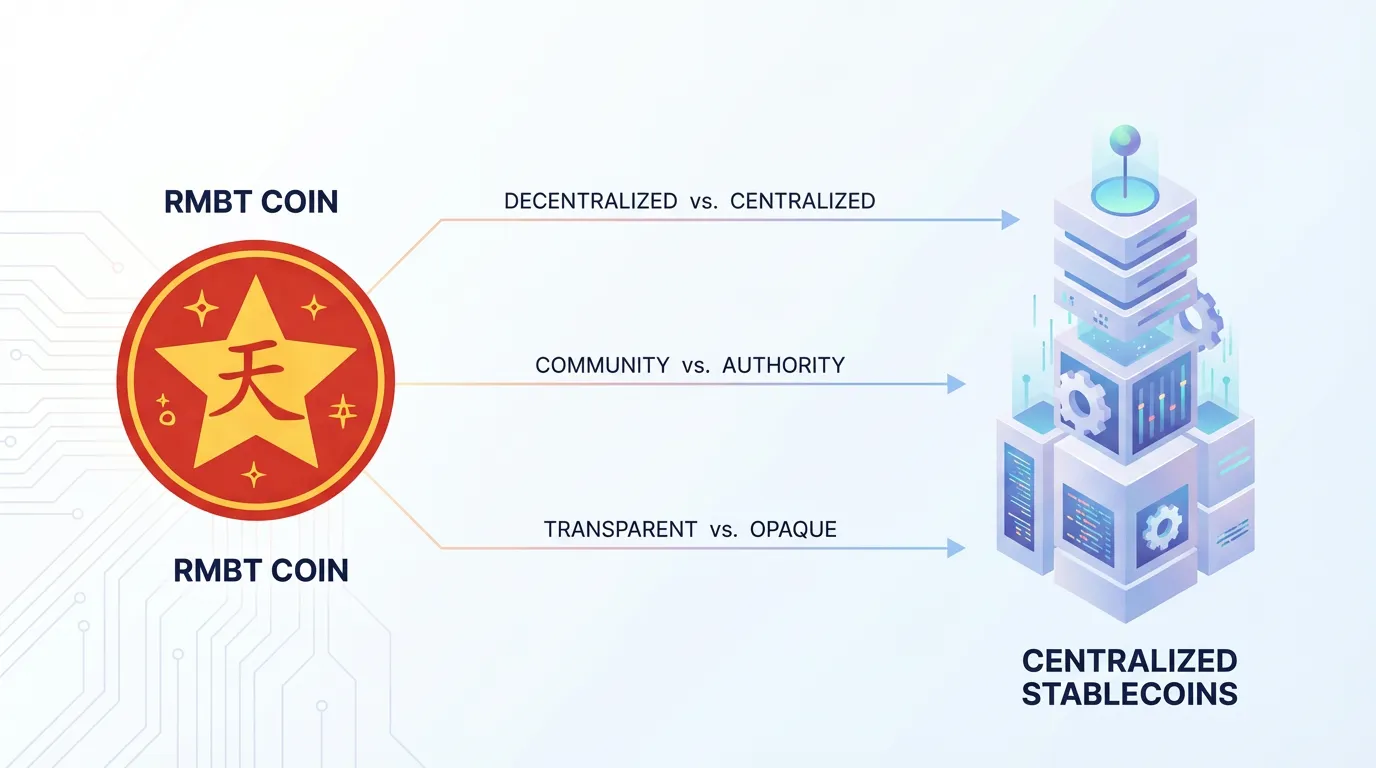
Recent discussions among analysts and industry researchers highlight growing interest in alternative stablecoin models that differ from highly centralized designs. While centralized stablecoins dominate global trading and payments, experts are exploring how contrasting models might address concerns about governance, transparency, and long term resilience. These discussions reflect the broader evolution of the stablecoin sector as new approaches aim to provide stability while reducing reliance on centralized control.
As stablecoin use expands into payments, remittances, savings tools, and institutional applications, understanding how different models compare has become essential. Analysts are evaluating the strengths and weaknesses of various designs, focusing on how they manage reserves, operate under regulatory expectations, and maintain user trust. These comparisons help identify which features contribute to durable stability and which may introduce unnecessary risks.
Centralization concerns shaping the debate
The most important point in these discussions is the degree of centralization in dominant stablecoin models. Centralized stablecoins rely on issuers that maintain control over reserves, governance, and operational processes. While this structure offers strong liquidity and efficient management, it also concentrates decision-making power within a small group. Analysts argue that this concentration creates potential vulnerabilities if transparency gaps arise or if regulatory changes disrupt issuer operations.
Centralized models also depend heavily on trust in the issuer’s reporting practices. Users must rely on disclosures, audits, and operational updates to understand the stability behind the token. If information is incomplete or delayed, uncertainty can spread quickly across markets. This reliance on centralized communication has led researchers to explore models that distribute control or use more automated stabilization mechanisms.
Another key part of the debate involves how centralized stablecoins respond during market volatility. Their stability depends on reserve quality and redemption capability. While many centralized issuers maintain strong reserves, analysts highlight that sudden surges in demand could challenge even well-prepared frameworks. These concerns contribute to the search for contrasting approaches that may balance control and transparency differently.
Advantages associated with alternative models
Contrasting stablecoin frameworks often emphasize reducing reliance on a single managing entity. Some alternatives use algorithmic components, hybrid reserve systems, or decentralized governance processes to distribute responsibility more broadly. Analysts studying these models note that diversified control can make systems more resilient against operational bottlenecks or single points of failure.
These models may also offer greater on-chain transparency. When stabilization mechanisms operate publicly through smart contracts, users can observe supply changes, governance proposals, and system adjustments in real time. This transparency appeals to users and developers who value openness and reduced dependence on centralized reporting schedules.
Transparency improvements across stablecoin categories
Transparency plays a central role in every comparison. Centralized stablecoins rely on financial reporting and independent audits to demonstrate reserve backing. While many issuers have improved reporting standards over time, analysts acknowledge that the quality and frequency of disclosures vary. This inconsistency motivates interest in models that embed transparency directly into the stabilization process.
Alternative models may provide more frequent, automated disclosures through on-chain data. However, they also require clear documentation and robust code audits to help users understand how the system works. Analysts stress that transparency cannot rely solely on technology; it must be supported by comprehensive communication, accessible documentation, and routine third-party reviews.
Long term implications for stablecoin development
The growing contrast between centralized and alternative models has important implications for the future of stablecoins. Centralized stablecoins currently enjoy unmatched liquidity, exchange integration, and global reach. Their scale makes them indispensable in trading and payments today. However, analysts believe that diversification across multiple types of stablecoins may strengthen the overall ecosystem.
As developers innovate new stabilization mechanisms and governance structures, the market may shift toward a more balanced mix of models. This could reduce systemic concentration and improve resilience across digital finance. Researchers predict that future stablecoins may combine the strengths of both centralized and alternative models, using hybrid systems that blend reserve backing with algorithmic features or decentralized governance.
Conclusion
Analysts discussing contrasts between highly centralized stablecoins and emerging alternative models highlight key differences in governance, transparency, and long term resilience. While centralized assets remain dominant, contrasting designs offer valuable insights that could shape the future direction of stablecoin development. A diversified ecosystem may ultimately lead to greater stability, transparency, and user confidence across global digital markets.