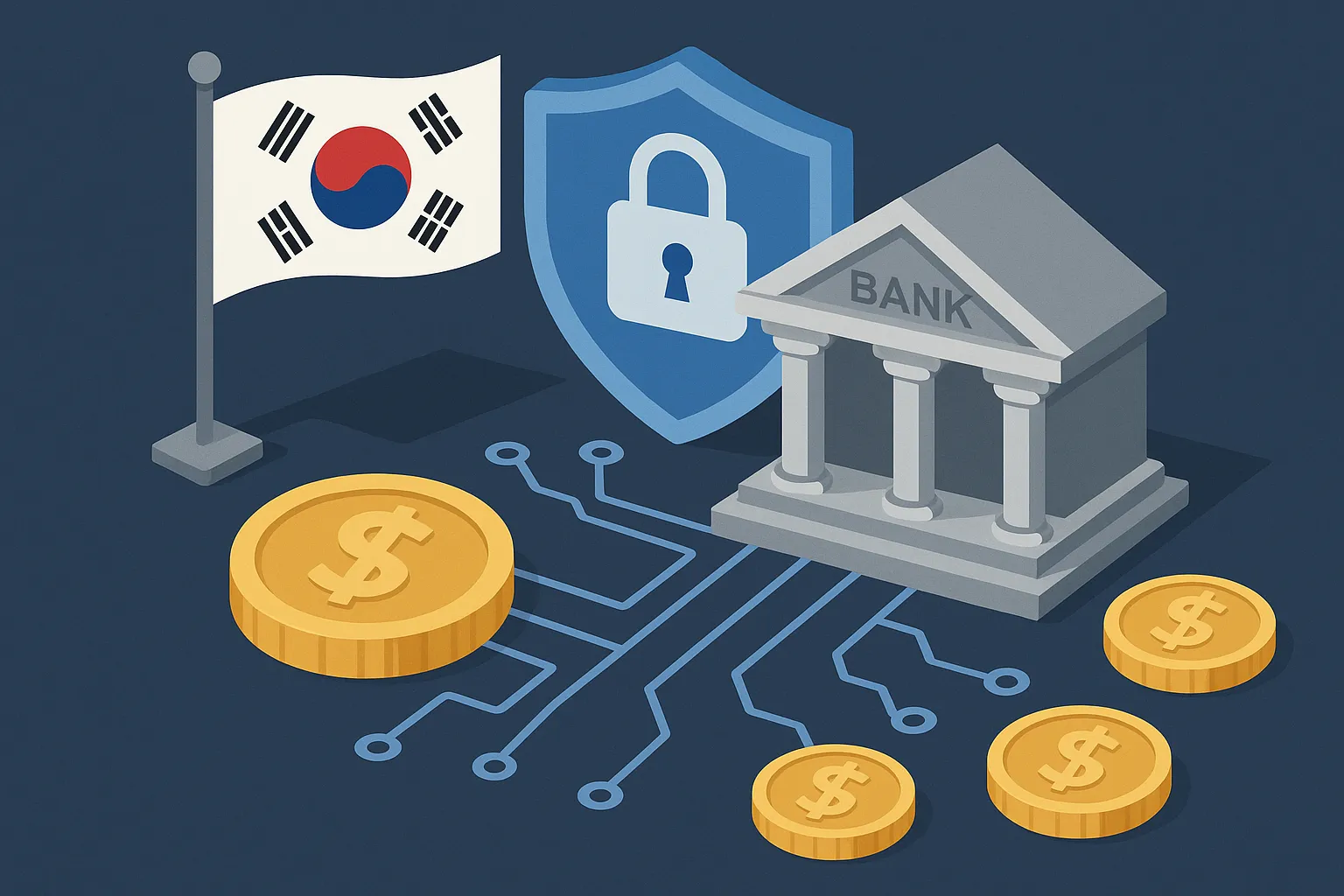
Stablecoin regulation has moved to the forefront of global financial discussions in 2025. As stablecoins become deeply embedded in crypto trading, payments, and financial infrastructure, regulators are increasing their focus on oversight and consumer protection. What was once a lightly regulated segment is now facing coordinated scrutiny across major economies.
Governments and financial authorities are no longer debating whether stablecoins should be regulated, but how. Clearer rules are being introduced to balance innovation with financial stability. This shift is reshaping how stablecoin issuers operate and how markets respond.
Why Stablecoins Have Attracted Regulatory Attention
Stablecoins play a critical role in global crypto liquidity and settlement. Their scale means that failures could have systemic consequences. Regulators view them as potential bridges between traditional finance and digital markets, which increases their importance.
In 2025, stablecoins are used not only by retail traders but also by institutions, fintech platforms, and payment providers. This widespread adoption has elevated their risk profile. Authorities are concerned about reserve backing, redemption rights, and operational resilience.
Past market disruptions have also influenced regulatory urgency. Episodes of depegging and transparency concerns highlighted weaknesses that rules aim to address.
Key Areas of Regulatory Focus
Reserve transparency is one of the main regulatory priorities. Authorities want clear disclosures about what backs stablecoins and how those reserves are managed. Regular reporting and audits are becoming standard expectations.
Redemption rights are another focus. Regulators seek assurance that users can reliably redeem stablecoins at face value. This is critical to maintaining trust and preventing market panic.
Operational governance is also under scrutiny. Issuers are expected to demonstrate strong risk management, cybersecurity practices, and internal controls. These requirements align stablecoin issuers more closely with traditional financial institutions.
Global Coordination and Regional Differences
While regulation is tightening globally, approaches vary by region. Some jurisdictions prioritize consumer protection, while others focus on financial stability or innovation. This creates a complex compliance landscape for stablecoin issuers.
In 2025, international coordination has improved. Global bodies are working toward common standards to reduce regulatory fragmentation. This helps prevent regulatory arbitrage and promotes consistent oversight.
Despite progress, regional differences remain. Issuers operating across borders must adapt to multiple frameworks while maintaining operational efficiency.
Impact on Stablecoin Issuers and Market Structure
Tighter regulation is changing how stablecoin issuers operate. Compliance costs have increased, but so has market credibility. Issuers that meet regulatory standards gain access to institutional partners and broader markets.
Smaller or less transparent projects face higher barriers. Some have exited the market or restructured to meet requirements. This consolidation is leading to a more resilient stablecoin ecosystem.
Platforms and exchanges are also adjusting. Many now list only stablecoins that meet compliance and transparency criteria, influencing liquidity distribution.
What Regulation Means for Users and Investors
For users, clearer rules bring increased protection. Transparency around reserves and redemption reduces uncertainty. This builds confidence in using stablecoins for payments and savings.
Investors benefit from reduced systemic risk. Regulatory oversight lowers the likelihood of sudden failures that could disrupt markets. However, innovation may move more cautiously as compliance becomes central.
In 2025, informed users pay closer attention to regulatory status when choosing stablecoins. Compliance has become a key factor in trust and adoption.
The Long Term Outlook for Stablecoin Regulation
Regulation is expected to continue evolving rather than stabilize immediately. As stablecoins expand into new use cases, rules will adapt. Ongoing dialogue between regulators and industry is shaping this process.
Clear frameworks are likely to support sustainable growth. Stablecoins that align with regulatory expectations are better positioned to integrate with traditional finance.
Rather than limiting stablecoins, regulation is defining their role within the global financial system.
Conclusion
In 2025, stablecoin regulation is tightening as global authorities push for clearer rules. This shift reflects the growing importance of stablecoins in financial markets. While compliance brings challenges, it also strengthens trust and long term stability. Clear regulation is shaping a more mature and resilient stablecoin ecosystem.
3