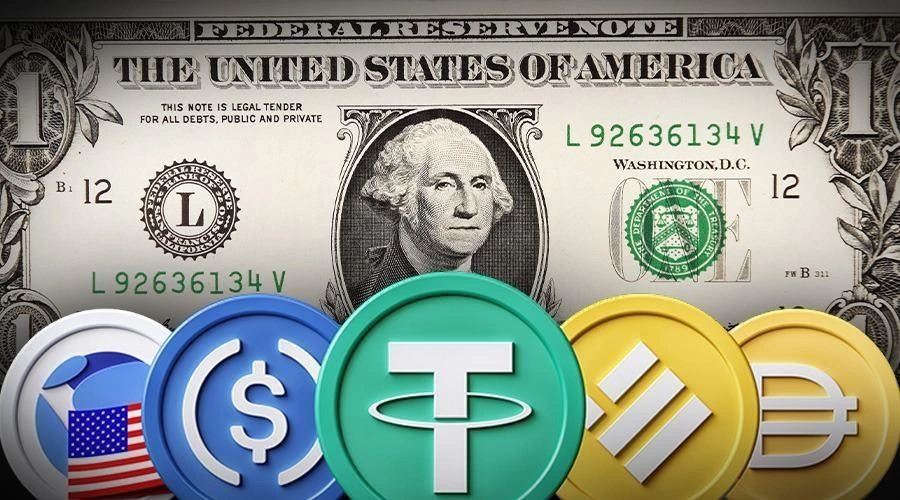
Stablecoins have reached a major milestone in global finance, processing an estimated 7.5 trillion dollars in transaction volume during March 2026, surpassing the U.S. ACH network for the first time. The surge highlights a structural shift in how digital assets are being used, with stablecoins increasingly functioning as real world payment infrastructure rather than purely crypto trading tools. At the same time, total market capitalization has climbed to around 317 billion dollars, reinforcing the growing importance of stablecoins as a core liquidity layer across global financial systems.
USD Coin has emerged as a key driver of this shift, overtaking Tether in organic onchain transaction volume for the first time in several years. USDC recorded strong growth during the first quarter, while USDT experienced a decline in activity and supply on certain networks. This rotation reflects increasing demand for regulated and transparent stablecoin options, particularly among institutional users who are prioritizing compliance and reserve clarity when selecting digital assets for payments and settlements.
The growth of yield bearing stablecoins has also accelerated, with the segment expanding significantly as capital moves toward assets offering additional returns. This trend signals a maturing market where users are seeking both stability and income generation, although regulatory developments could shape how these products evolve. Proposals to limit yield on stablecoins may impact adoption patterns, especially as policymakers balance financial innovation with concerns about competition with traditional banking systems.
Institutional adoption is playing a central role in driving stablecoin expansion, with business to business payments accounting for a large share of total transaction volume. Companies are increasingly using stablecoins for cross border settlements, treasury operations, and liquidity management, reflecting a broader transition toward blockchain based financial infrastructure. Regions such as Asia Pacific are leading this growth, supported by rising demand for efficient payment solutions and increased integration with digital financial services.
The rapid rise in stablecoin usage is also influencing global financial dynamics, including foreign exchange flows and capital movement in emerging markets. As demand for digital dollars grows, local currencies can face pressure, while stablecoins effectively create an alternative payment network operating alongside traditional systems. The continued expansion of this sector underscores its role as a transformative force in global finance, reshaping how value is transferred, stored, and accessed across both crypto and traditional markets.