Introduction
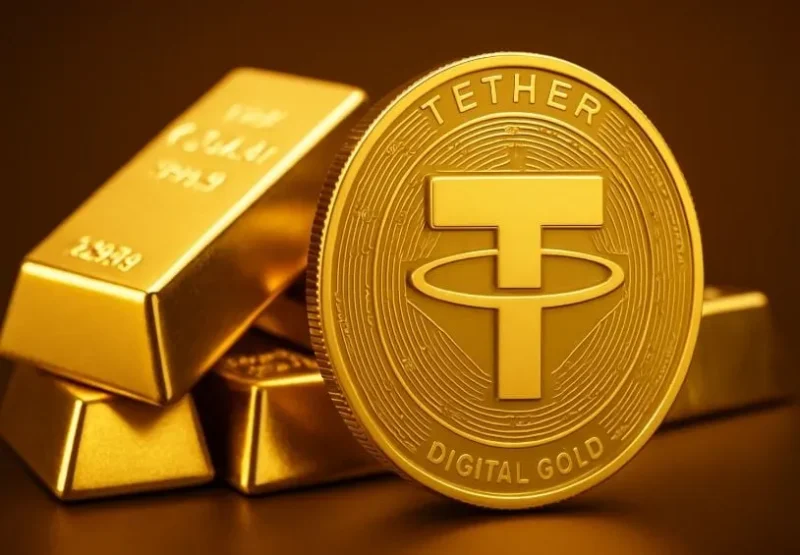
Tether, the issuer of the globally dominant USDT stablecoin, has announced the acquisition of a 32% stake in a Canadian gold royalty company, marking a significant diversification of its investment portfolio. This move highlights Tether’s strategy to expand beyond digital assets into traditional commodities, combining the stability of gold with its expertise in digital finance. By integrating physical asset exposure, Tether seeks to enhance treasury management, hedge against market volatility, and establish a multi-asset presence in global financial markets.
Details of the Acquisition
The 32% equity acquisition represents a substantial minority stake, granting Tether a meaningful influence in corporate governance and strategic decision-making. While not a controlling position, the investment allows Tether to participate in the firm’s royalty revenue streams, including payments derived from gold mining operations and related assets. Analysts suggest the move aligns with Tether’s broader goal of creating a hybrid financial ecosystem, bridging blockchain, stablecoins, and traditional commodities.
Strategic Rationale
Several factors underpin Tether’s decision to acquire a stake in a gold royalty firm:
- Portfolio Diversification: Adding a physical asset hedge reduces dependency on digital currencies and stablecoin operations.
- Revenue Stability: Gold royalties provide predictable cash flows, enhancing financial resilience.
- Market Credibility: Exposure to a regulated, tangible asset strengthens institutional perception of Tether’s treasury strategy.
- Hedging Capabilities: Gold serves as a traditional store of value, mitigating risks associated with cryptocurrency market volatility.
By combining digital and physical assets, Tether creates a more balanced and sustainable operational model.
Market Context
Stablecoin issuers, including Tether, operate in a market where liquidity, trust, and regulatory compliance are paramount. USDT alone has a market capitalization exceeding $170 billion, representing a significant portion of global stablecoin circulation. Expanding into gold royalties offers diversification beyond fiat-backed reserves, aligning with market trends where digital asset companies seek exposure to real-world assets. Investors increasingly view hybrid strategies as a way to stabilize returns and demonstrate financial prudence.
Benefits for Tether and Stakeholders
The acquisition provides several advantages:
- Enhanced Liquidity Management: Revenue from gold royalties supplements USDT reserves and operational funds.
- Investor Confidence: Institutional investors gain assurance from tangible asset exposure alongside digital assets.
- Strategic Flexibility: Tether can leverage cross-market insights, integrating commodity-backed assets with blockchain applications.
- Global Presence: Participation in Canadian markets strengthens Tether’s international footprint and diversification strategy.
These benefits reinforce Tether’s dual role as a stablecoin issuer and a growing financial conglomerate.
Operational Considerations
Integrating a gold royalty investment requires careful oversight. Tether will monitor the firm’s revenue streams, compliance with Canadian regulations, and corporate governance standards. Treasury operations may adjust to incorporate royalty income, while reporting frameworks ensure transparency for investors and regulators. Risk management practices include monitoring commodity price fluctuations, operational performance of underlying mines, and geopolitical factors affecting gold production.
Regulatory and Compliance Implications
Gold royalty firms operate under strict mining and financial regulations in Canada. Tether’s minority stake must comply with securities, anti-money laundering, and taxation laws. Additionally, integrating this asset with USDT reserves and global treasury management requires adherence to multiple jurisdictions’ compliance frameworks. Transparent reporting and governance are critical to maintain credibility and avoid regulatory scrutiny, particularly given Tether’s prominence in the stablecoin ecosystem.
Cultural and Market Reactions
The announcement has garnered attention in both cryptocurrency and traditional finance circles. Media commentary highlights Tether’s willingness to blend digital and physical assets, while investors view the move as a pragmatic hedge against crypto market volatility. Satirical reactions have emerged joking about “gold-backed USDT in your wallet,” reflecting cultural fascination with Tether’s innovative approach. Overall, market sentiment leans toward viewing the diversification as a strategic, forward-looking initiative.
Strategic Insights for Investors
Investors can interpret Tether’s move as an example of portfolio resilience and diversification strategy. Combining stablecoins, fiat-backed reserves, and commodity exposure enhances stability while allowing for growth in emerging markets. Monitoring the performance of gold royalties, integration efficiency, and reserve management will provide insight into Tether’s long-term financial strategy. Diversified asset allocation may also influence investor perception of Tether’s credibility and risk profile.
Future Outlook: Multi-Asset Financial Strategy
Tether’s acquisition signals potential for further diversification, possibly extending into other commodities, real estate, or regulated financial instruments. Integrating tangible assets with blockchain-based operations could expand USDT’s use cases in institutional finance, cross-border payments, and treasury optimization. Over time, this hybrid model may become a blueprint for other stablecoin issuers seeking to balance innovation with stability, bridging traditional finance and digital asset ecosystems.
Conclusion
The acquisition of a 32% stake in a Canadian gold royalty firm represents a calculated step for Tether, merging cryptocurrency operations with tangible asset exposure. By diversifying its portfolio, Tether enhances liquidity, strengthens investor confidence, and mitigates market volatility risks. This move exemplifies the evolving nature of stablecoin issuers, demonstrating how digital finance companies can strategically integrate traditional assets to reinforce stability, credibility, and global financial influence. Tether’s hybrid approach may redefine the future of stablecoin-backed corporate finance, combining the best of both digital and physical worlds.