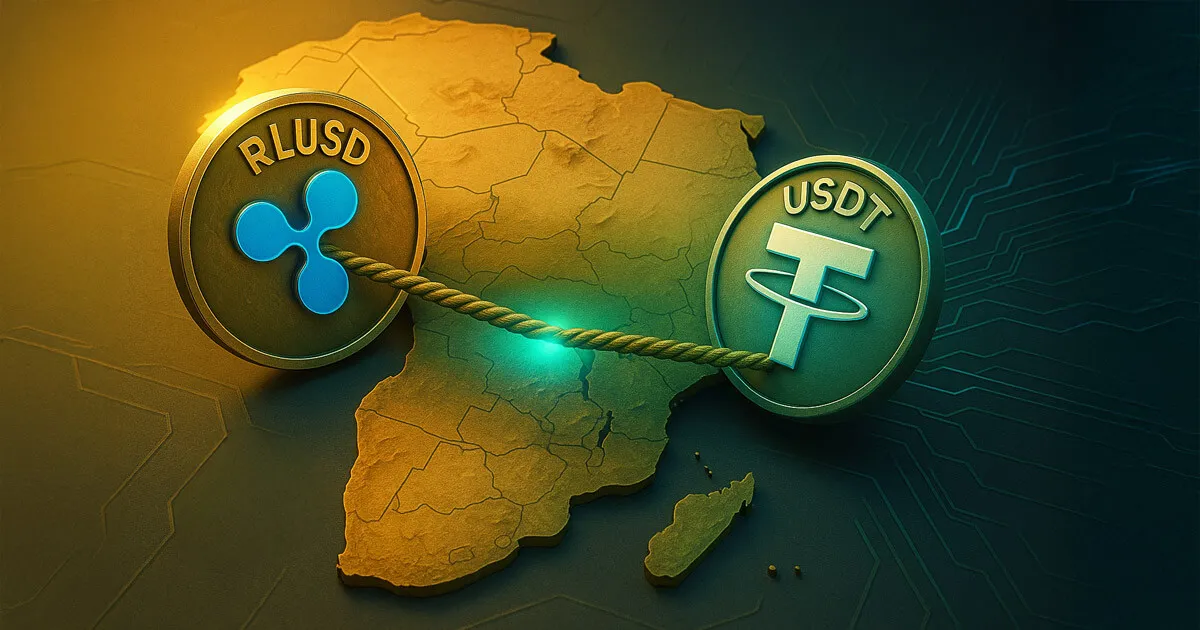
Tether has announced a major new partnership aimed at expanding global payment accessibility and strengthening digital settlement infrastructure. As stablecoin adoption grows worldwide, this move highlights the increasing demand for faster, more reliable and more inclusive financial systems. The partnership reflects a strategic push to integrate stablecoins into mainstream payment networks, particularly in regions with limited access to traditional banking.
Stablecoins have become essential tools for digital commerce, cross border transfers and on chain settlement. By aligning with new payment partners in 2025, Tether is working to accelerate global financial inclusion and introduce stablecoin based payment solutions to both businesses and consumers.
Why This Partnership Matters for Global Payment Growth
The most important value of Tether’s new partnership is its potential to simplify cross border payments. Traditional international transfers often involve high fees, long settlement times and intermediary networks that can slow down transactions. Stablecoins remove much of this friction by offering faster settlement and predictable pricing.
Through this collaboration, payment providers will gain access to stablecoin infrastructure capable of processing high volume transactions at lower cost. This is particularly impactful for regions where banking infrastructure is limited or unreliable. Businesses will be able to send and receive funds instantly, while consumers benefit from more transparent and affordable financial services.
The partnership also strengthens Tether’s position as a global liquidity provider. With stablecoin demand rising among merchants, fintechs and remittance operators, integrating new payment channels enhances efficiency and offers more flexibility for users seeking real time settlement options.
Expanding Stablecoin Adoption in Emerging Markets
Emerging markets are becoming some of the fastest growing regions for stablecoin usage due to economic volatility and limited access to traditional financial systems. Tether’s new partnership aims to support these markets by offering merchants and users an alternative payment method that is both stable and efficient.
Stablecoins allow businesses to operate without needing a full banking infrastructure, which reduces barriers to digital commerce. For individuals, stablecoins provide a secure way to store value and protect funds from inflationary currencies. Remittance users also benefit from significantly lower transfer costs compared to traditional money transfer operators.
By integrating stablecoin payment rails, local fintech companies gain more competitive tools to expand their services. This helps accelerate digital transformation and supports broader economic development across these regions.
Strengthening Merchant and Business Payment Solutions
Merchant adoption is growing quickly as businesses seek faster settlement options and more predictable transaction fees. Tether’s partnership introduces new payment tools that allow merchants to accept stablecoins directly, settle instantly and avoid costly card processing fees.
These capabilities are especially valuable for online retailers, subscription platforms and global e commerce firms. Stablecoins remove currency conversion challenges by offering a digital asset that maintains consistent value across borders.
Businesses are also using stablecoins for treasury operations and supplier payments. Faster settlement allows companies to manage cash flow more efficiently, reduce delays and streamline their financial operations. This partnership enhances these capabilities by integrating more robust payment tools and increasing liquidity access.
Institutional Impact and the Rise of Stablecoin Settlement
Institutions are playing a growing role in the expansion of stablecoin infrastructure. Financial firms are adopting stablecoins for settlement because they enable rapid clearing without the delays associated with traditional rails. Tether’s partnership provides institutions with stronger access to compliant, scalable payment channels.
Stablecoin settlement also improves transparency and auditability. On chain records allow institutions to track flows in real time and reduce operational risk. This aligns with broader industry trends where institutions are seeking more efficient tools for cross border payments, collateral transfers and liquidity management.
As regulatory clarity improves globally, institutions are becoming more comfortable integrating stablecoins into their existing systems. Partnerships like this create smoother onboarding pathways and help bridge the gap between traditional finance and digital asset ecosystems.
Conclusion
Tether’s new partnership marks a major step forward in expanding global payment access and strengthening stablecoin infrastructure. By enabling faster settlements, broader merchant adoption and improved financial inclusion, the collaboration enhances how stablecoins function in real world payment systems. As stablecoin usage continues to rise, partnerships like this will shape the next generation of global digital commerce and financial connectivity.