USDT India Crypto Remittance Crackdown Meets Thailand Oversight
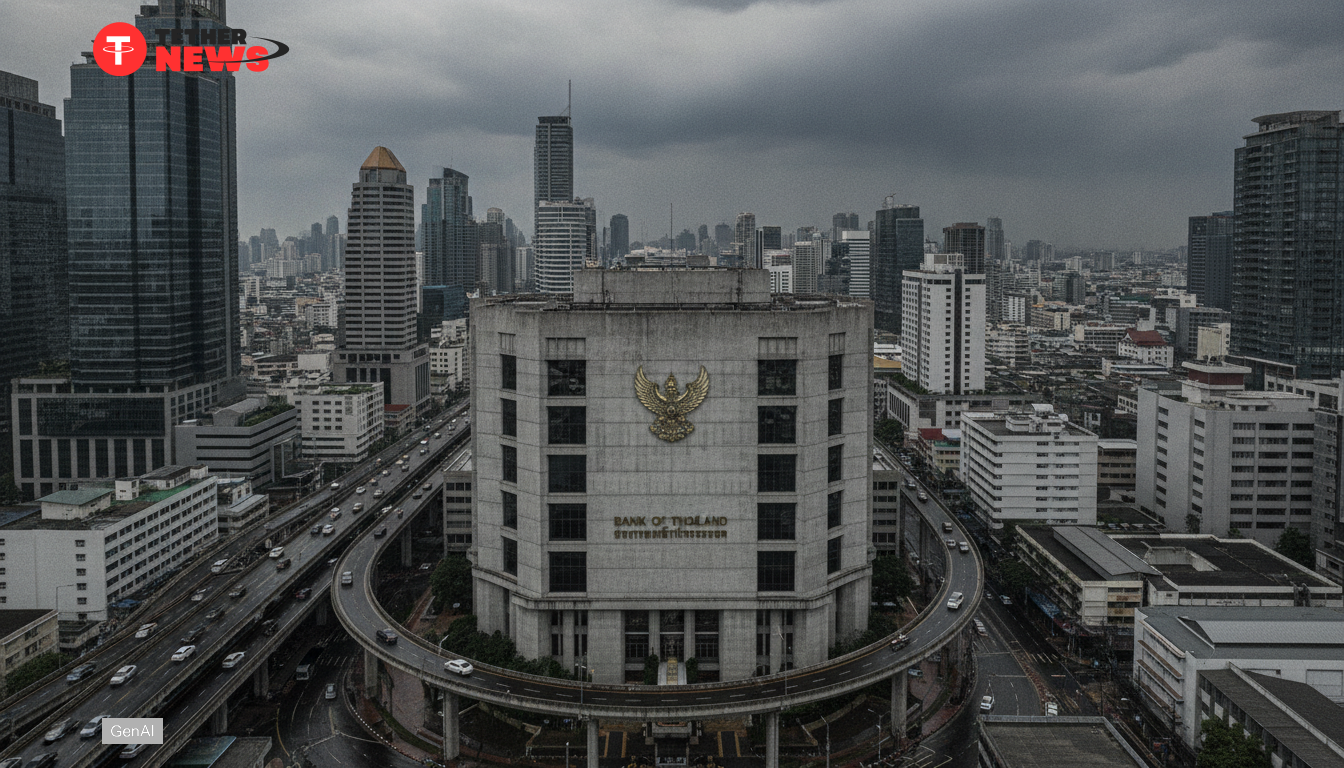
The usdt india crypto remittance crackdown is increasingly used by compliance teams as a reference point for how regulators may treat stablecoins in cross border value transfer. In Thailand, the Bank of Thailand has signaled closer attention to transactions that mimic cash while moving rapidly across accounts and payment rails, according to public guidance and supervisory communications referenced by local market participants. Thai supervisors have reportedly emphasized mule account detection, stronger identity checks, and better reporting across banks and payment intermediaries. The focus is less on prohibiting a token and more about whether USDT-linked transfers connect to cash-out nodes and gray money patterns, as compliance officers describe in industry briefings. Since 2024, several Asian jurisdictions have discussed or implemented tighter controls on virtual asset on and off ramps, based on publicly announced regulatory updates, raising expectations for consistent monitoring across remittance corridors.
Why Remittance Corridors Raise Red Flags for USDT
Remittance corridors can involve multiple jurisdictions, layered payment providers, and uneven onboarding standards, conditions that can mirror risks discussed under the India-focused enforcement narrative. For a broader view of how new rules change compliance roles inside financial firms, see Stablecoin regulation drives specialized roles in finance. Investigators often focus on velocity, structuring, and rapid hops between wallets, exchanges, and bank accounts rather than a single asset, as AML guidance commonly frames typologies. Stablecoins can also be used as a temporary store of value before conversion to local currency, which increases the importance of clear audit trails and counterparty information. That same shift is being cited by some Thai banking and payments stakeholders as they prepare for more detailed supervisory questions.
Bank of Thailand Controls Target Mule Accounts and Cash Out
The Bank of Thailand’s approach is widely described as centering on operational controls aimed at reducing mule account activity and speeding up intervention at suspected cash-out points, though specific targets and outcomes can vary by institution and are not always published. Banks are being urged to strengthen onboarding, verify beneficial ownership where relevant, and refine transaction monitoring thresholds for high velocity retail flows, according to compliance practitioners familiar with supervisory expectations. Network scale adds urgency: USDT on TRON Tops $90B as Transfer Flow Hits $4.2T describes volumes that can intersect with local off ramps. Compliance teams are also reviewing exposures linked to stablecoin-heavy corridors and payment intermediaries. In practice, supervisors and bank risk teams commonly watch for coordination patterns across multiple accounts, repeated small transfers, and quick conversions into cash-like instruments.
Market Data and Stablecoin Supply Add to Monitoring Pressure
Stablecoin supply growth and on chain settlement capacity can increase the workload for banks and payment firms because more value can move outside traditional correspondent banking, as regulators and industry groups have noted in policy consultations. In July 2026, CoinDesk reported policy divergence globally, including Bolivia weighs adding Tether’s USDT to its national payments system, even as other jurisdictions emphasize tighter controls. Supply events also matter for risk teams that track liquidity and redemption pressure; Tether USDT mints 1B tokens, lifting stablecoin supply is one example of how quickly circulating supply can change. These signals reinforce why regulators and supervisors often ask for stronger data sharing between banks, exchanges, and wallet providers, particularly for higher risk remittance corridors.
Outlook: How Thailand Applies the Remittance Crackdown Lens
Thailand’s likely direction is continued enforcement focused on bank account integrity, not headline prohibitions, according to how market observers characterize recent supervisory themes. The usdt india crypto remittance crackdown lens may persist as a way to prioritize higher risk corridors, especially where funds move from wallets to banks and then to cash-out channels. Stablecoin use in legitimate payments and pilots will also shape supervisory expectations; Hyundai Completes Stablecoin Remittance Pilot with USDT illustrates how regulated experiments can coexist with tighter controls on gray economy behavior. Firms operating in Thailand should expect closer review of transfer purpose, source of funds explanations, and whether travel rule style information can be produced on request, as these are common expectations in cross-border compliance discussions. The practical test, as banks and supervisors often frame it, will be whether monitoring reduces mule networks and shortens the time between detection, freezing, and reporting.