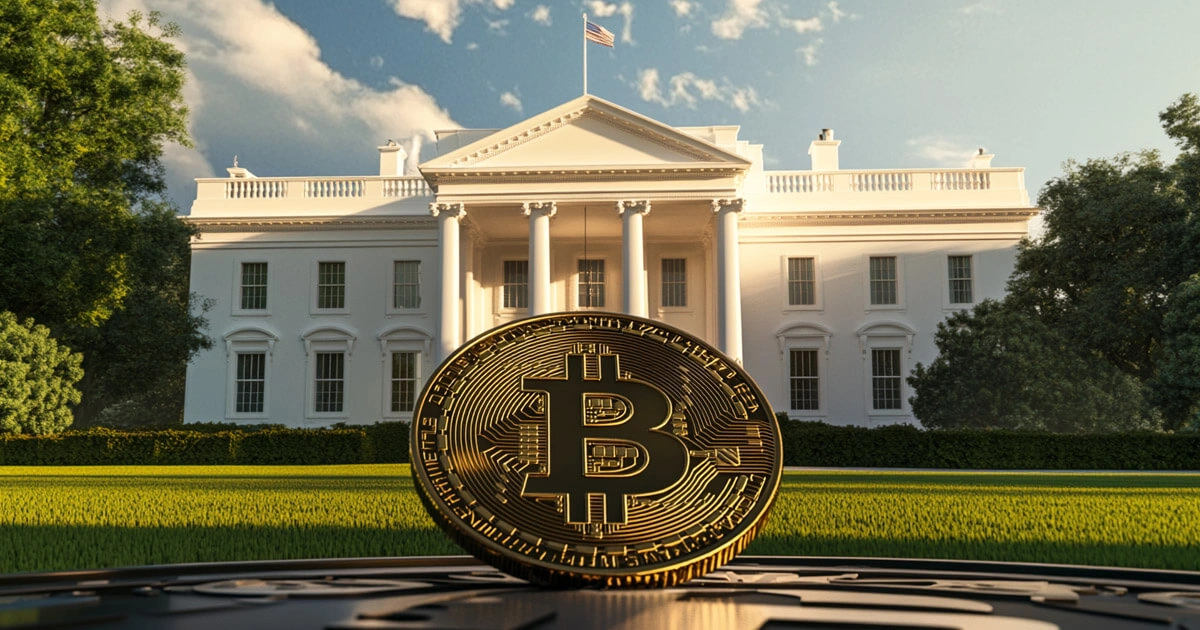
The White House is preparing for what officials are describing as a significant announcement in the coming weeks regarding President Donald Trump’s strategic Bitcoin reserve initiative, signaling renewed momentum in the federal government’s approach to digital asset policy. Patrick Witt, executive director of the President’s Council of Advisors for Digital Assets, indicated during a recent industry panel that work is actively underway to define the next phase of the reserve structure and its long term implementation within the US financial system. The comments have drawn attention from both policymakers and crypto markets as Washington continues to shape its regulatory stance on Bitcoin at a national level.
The strategic Bitcoin reserve concept was initially established through an executive order signed by President Trump last year, which directed the creation of a federal reserve of Bitcoin and a separate digital asset stockpile. These holdings are primarily composed of assets already in government possession, largely acquired through criminal and civil forfeiture proceedings. The framework aims to formalize how the United States manages and retains seized digital assets while exploring broader strategies for national level crypto holdings. The initiative represents one of the most direct integrations of Bitcoin into federal financial planning to date.
Witt explained that his team has been focused on resolving legal and structural questions surrounding the reserve, including how to properly interpret authority, custody mechanisms, and long term safeguards for government held digital assets. He emphasized that the goal is to ensure the framework is both secure and sustainable, particularly in relation to Bitcoin already recorded on the government balance sheet. His remarks suggest that internal policy development has moved beyond conceptual planning into more detailed operational design, potentially paving the way for formal announcements or legislative coordination.
At the same time, lawmakers are working to strengthen the legal foundation of the initiative through proposed legislation. The executive order, while impactful, does not carry the permanence of federal law, prompting efforts in Congress to codify the strategy. Among the most notable proposals is the BITCOIN Act, reintroduced by Senator Cynthia Lummis and Representative Nick Begich, which seeks to establish a structured approach to expanding US Bitcoin holdings. The legislation includes provisions for acquiring up to one million Bitcoin over a five year period using budget neutral strategies, reflecting a broader debate over how aggressively the government should engage with digital asset accumulation.
The growing alignment between executive policy discussions and legislative proposals has intensified speculation about the future role of Bitcoin within US financial reserves. Supporters argue that a strategic reserve could strengthen national financial resilience and position the United States as a leader in digital asset adoption, while critics continue to raise concerns about volatility and regulatory uncertainty. With a potential major announcement expected soon, markets and policymakers alike are watching closely for further clarity on how the United States plans to integrate Bitcoin into its long term economic and strategic framework.